
Introduction
I remember walking into a small PCB shop where the air smelled faintly of solder and coffee—a scene familiar to anyone who spends hours by a bench. In that moment I counted machines, vents, and a lone extractor; the need was obvious (and oddly poetic). Recent surveys show factories and labs lose up to 20% efficiency when staff deal with poor indoor air quality, and when we talk about fume extraction for electronics and industrial applications the stakes are both health and productivity. What should a user—an engineer, a line manager, a technician—ask first when considering an upgrade?
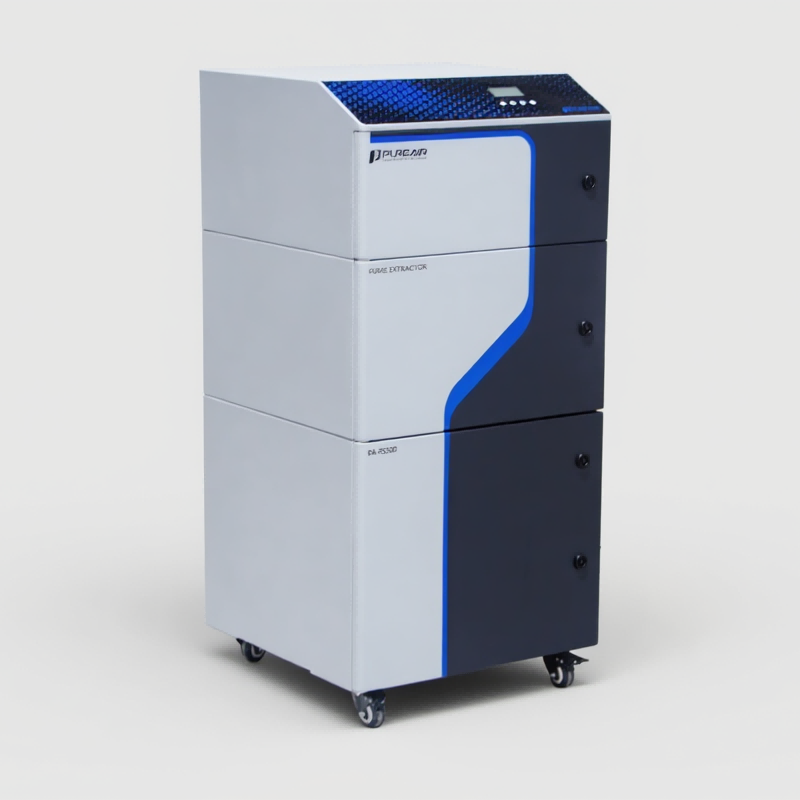
Where Traditional Systems Fail: A Technical Look at wave soldering and Its Challenges
wave soldering generates concentrated solder fume, flux vapor, and particulates right at the point where workers stand; yet many legacy systems were designed for general ventilation, not focused capture. I’ve seen extraction hoods placed too high, fans undersized, and filter cartridges that clog within weeks. The result: recirculated contaminants, dropped worker morale, and—frankly—costly downtime. From a technical standpoint, a poor local exhaust ventilation layout combined with insufficient air changes per hour (ACH) turns a targeted process into a room-wide problem.
Why does this matter so much?
Because the chemistry of solder fume is unforgiving. Lead-free flux and rosin residues create both gaseous compounds and ultrafine particulates. HEPA filters alone won’t solve layout mistakes; you also need proper capture velocity at the nozzle, predictable fan speed control, and easy access for maintenance. Look, it’s simpler than you think: optimize capture geometry, select the right filter media, and prioritize serviceability. When those pieces fit, exposure drops and throughput often rises—sometimes by surprising margins.
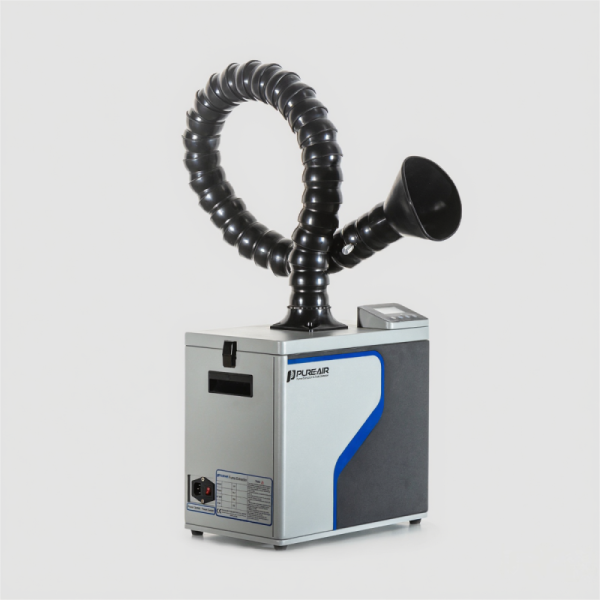
Looking Forward: New Principles and Practical Metrics for Better Extraction
Now I want to shift from diagnosis to design. Modern upgrades around processes like wave soldering embrace three core principles: source capture, adaptive control, and modular filtration. Source capture means placing an extraction hood or arm as close as practicable to the flux plume to reduce reliance on room air movement. Adaptive control uses variable fan drives and sensors to match extraction power to process load—saving energy while keeping capture velocities steady. Modular filtration (pre-filter + HEPA + active carbon) lets you tailor cartridges to specific chemistries encountered in PCB assembly and soldering operations.
Real-world impact—what changes on the floor?
In practice, I’ve seen shops cut airborne particulate counts by half and extend filter life by months just by rethinking hood placement and motion control. There’s also a human factor: technicians report less eye irritation and fewer headaches, which translates to fewer errors on delicate SMT lines. — funny how that works, right? Still, technology isn’t magic. You need consistent maintenance schedules, easy filter swaps, and clear monitoring dashboards so teams can trust the system. I recommend combining particulate sensors with a simple dashboard readout; it keeps everyone aligned and reduces surprises.
Closing Advice: How I Evaluate a Fume Extraction Upgrade
When I help teams choose a solution, I judge options by three practical metrics: capture efficiency at the source (how well does the hood or arm trap fumes at typical operator distance), total cost of ownership including filter and energy costs (don’t be fooled by low upfront prices), and maintainability—how quickly can staff swap cartridges or clear blockages. Those three measures predict long-term satisfaction far better than brand promises. I also weigh installation complexity and whether the system supports modular upgrades; that future-proofs investments and keeps downtime low.
In short: focus on source capture, demand adaptive controls, and insist on modular filtration that matches the chemistry of your process. We’ve rewritten shop comfort and safety many times by doing just that; you can too. For practical solutions and engineered options I trust in proven partners—check out PURE-AIR for examples and case references.






