The Moment You Notice the Room Isn’t the Problem
I walked into a meeting where everyone looked ready, slides crisp, coffee hot—and yet the call opened with the classic “Can you hear me now?” The conference room mic system was installed last year, supposedly “set and forget.” But the far end caught reverb, soft voices vanished, and side talk bled through. In internal recaps, teams often report lost minutes per hour to audio fixes, echo, or dropouts. That adds up—across quarters, across regions. So the question is simple: if the room acoustic is fine, what’s actually failing you?
Here’s a hint. It isn’t only volume. It’s how clarity holds under real talk: low voices, crosstalk, quick interjections. Beamforming can help, but only when paired with smart DSP and solid AEC. Power-over-Ethernet makes installs neat, yet poor network design can spike latency at the worst moment. And yes, that polite “We’ll fix it in post” is code for “We’ll keep fighting the same thing.” Look, I get it—nobody wants to touch a working system. But if meetings feel like workarounds, the system is working you, not for you. Let’s unpack where the friction hides, and what to do next.
The Quiet Costs: Why “More Mics” Isn’t the Fix
What’s failing silently?
A top microphone manufacturer will tell you the truth most teams learn the hard way: adding more hardware is not a straight path to better sound. Legacy ceiling arrays boost coverage but can drop signal-to-noise ratio when participants speak softly or turn away. Chasing gain before feedback? That usually invites comb filtering and ear fatigue. And when Dante traffic meets a busy switch, you feel it as latency spikes, jitter, and choppy AEC—not fun. Look, it’s simpler than you think: the pain comes from small mismatches across the chain—mic topology, room treatment, DSP profiles, and network QoS. Align them, and clarity jumps.
Then there’s the human layer: table taps, paper rustle, swivel chairs. Those transients trigger aggressive noise gates, which cut off soft speech tails—so the end user just talks louder. Meanwhile, under-damped HVAC and humming power converters inject low-frequency mud that AGC keeps pulling up. Your team blames the cloud app, but edge computing nodes and the in-room DSP scene labels matter more. The hidden cost is attention. People repeat themselves, they hedge, they stop sharing. The fix isn’t “more mics.” It’s smarter pickup patterns, consistent presets, and end-to-end tuning that preserves intelligibility without squeezing the life out of voices.

Looking Ahead: Smarter Mics, Clearer Meetings
What’s Next
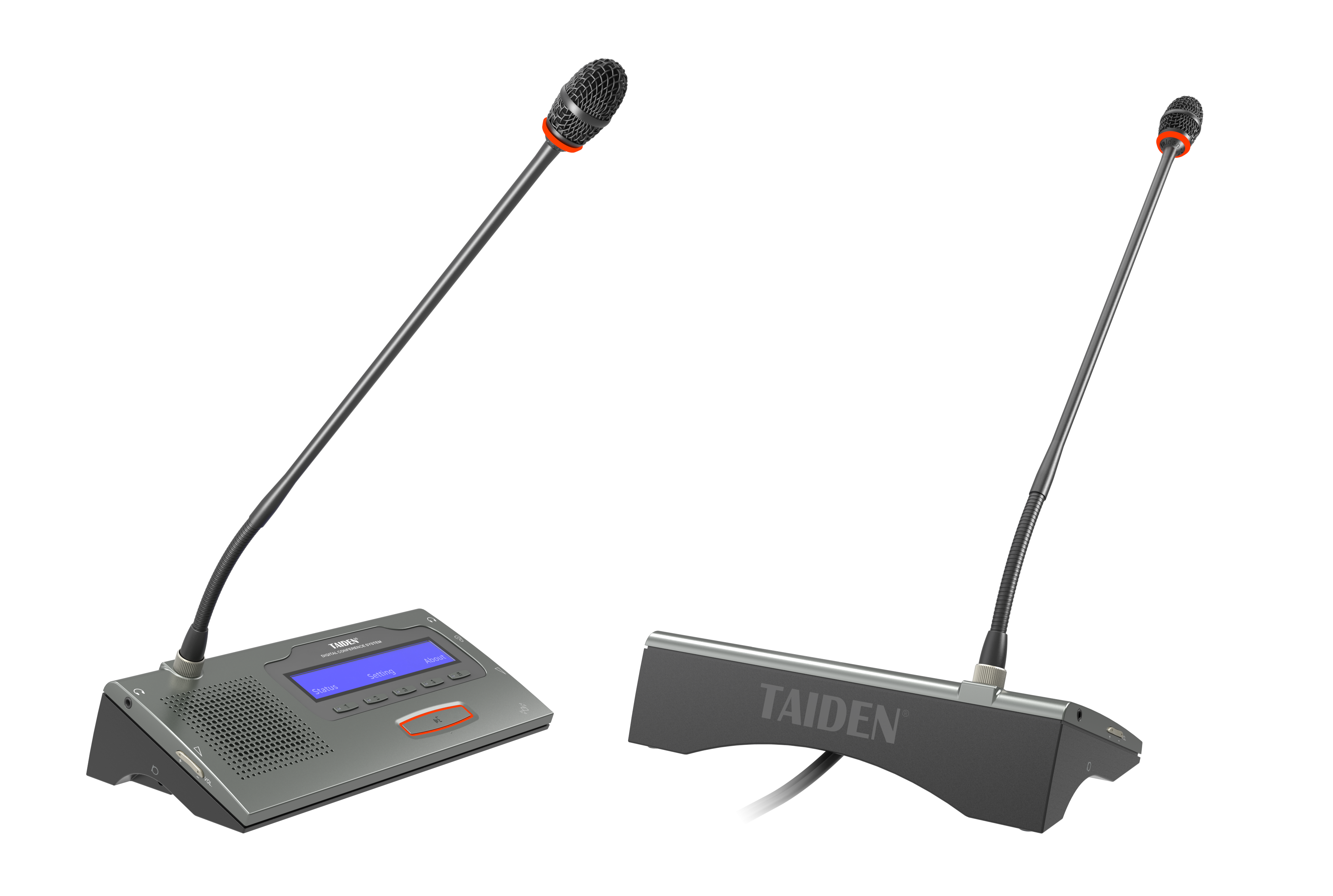
The shift is already here: systems that use adaptive beamforming plus voice activity detection to shape pickup in real time. Instead of blanket coverage, the array learns who’s active and who isn’t—then applies targeted AEC and noise suppression only where it’s needed. Pair that with a digital chairman unit for orderly floor control, and side talk stops owning the room. The principle is simple but powerful: put processing closer to the source, keep transport clean, and keep control intuitive. Low-latency routing (AES67, Dante), stable PoE budgets, and sane presets do more for clarity than “one more mic” ever will—funny how that works, right?
So, how do you choose the next step without guesswork? Start with three practical metrics. First, intelligibility: can your vendor measure and document STI across seats, not just at the table edge? Second, resilience: end-to-end latency under load, with QoS verified and AEC stable during crosstalk. Third, manageability: remote diagnostics, scene recall, and firmware control that your team can actually use day to day. These map back to the issues we saw earlier—hidden noise, uneven pickup, and network stress—without repeating the mistakes. Compare old “set-and-pray” rigs against systems that marry array mics, room-aware DSP, and disciplined network design. Your meetings will feel lighter, faster, more human. And when people stop asking “Can you hear me?” you’ll know you chose well. Learn more at TAIDEN.