Intro: When a Busy Line Meets a Wobbly Rack
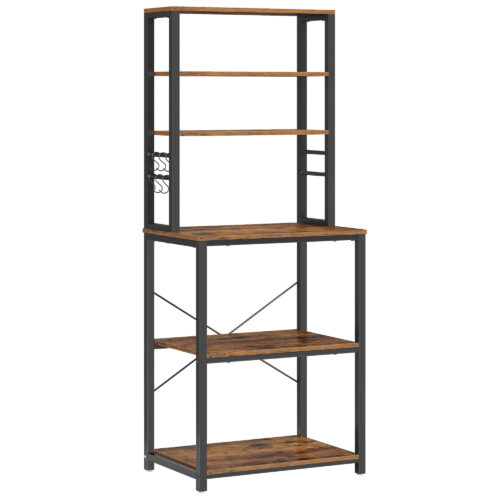
It’s 7:58 a.m., the brunch rush is seconds away, and a cook reaches for a pan—only to find a shelf bowing, labels mixed, and nowhere to set a hot skillet. Kitchen racks manufacturers are often blamed for moments like this, but the story runs deeper than a single bent wire. Field checks show wasted steps, slow restocks, and premature rust are common in high-moisture stations—numbers vary, but the pattern is clear. So, is it the rack, the setup, or the sourcing logic? For many buyers, the fix starts with choosing the right wholesale kitchen racking shelves and rethinking the process behind them (not just the catalog page).

Here’s the gentle truth: racks fail when “good enough” hides risk. A load rating looks fine, yet the powder coating line was tuned for dry storage, not steam. The QC audit met basic checks, but no one mapped actual reach zones by task. That gap creates pain you feel in week three. We’ll walk through how a comparative lens—across materials, finishes, and modularity—lets you avoid those hidden traps while staying within MOQ and lead time limits. On we go, step by step, and without drama—funny how that works, right?
Part 2: The Quiet Flaws in Traditional Choices
What’s slipping through the cracks?
Most teams compare price, size, and a photo. That’s it. Traditional selection treats racks as interchangeable, so real-world stressors slip by. Moisture plus acidic cleaners? That’s a fast lane to corrosion if the finish isn’t right. Cold-rolled steel can perform well, yet without proper E-coating or zinc galvanization in splash zones, you’ll see bubbling and flake. Load limits are quoted, but the tolerance stack-up across brackets, posts, and crossbars isn’t measured under dynamic use. Look, it’s simpler than you think: the old approach assumes static loads and dry air; kitchens are neither. And when BOM details are sparse, you inherit guesswork.
Another flaw: one-size SKUs. A standard bay looks neat on paper, but prep, cook, and dish each have different reach patterns. Without task-based zoning, carts drift, parts get double-handled, and your crew burns minutes. That adds cost. The fix is not luxury; it’s alignment. Specify finish per zone, not per catalog. Demand tensile strength data for critical uprights. Check if the supplier validates anti-corrosion ratings beyond salt spray to include degreaser cycles. And yes, question the weld quality, not just the gauge. When buyers ask for modular post spacing, adjustable feet tolerances, and kitting options, failure rates drop—and so do returns.
Part 3: A Forward Look—Principles That Change the Game
What’s Next
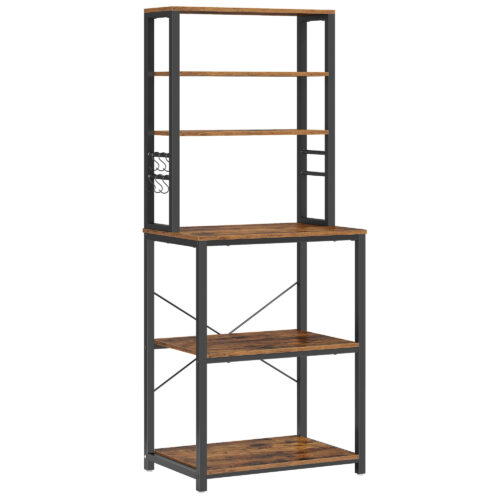
New technology makes smarter choices practical. Start with digital twins or a lightweight CAD configurator to test shelf spacing against real bins and pans. You can simulate reach envelopes by role and shift. From there, compare finishes by environment: powder coating for dry storage, zinc or E-coating for steam and splash, and hybrid layers where cleaning is frequent. A capable kitchen rack supplier will share surface hardness and cycle-test data, not just glossy photos. Add simple sensors if you like—impact tags or humidity dots—to validate assumptions during pilot weeks. Small steps, big signals. And when you pair this with SKU rationalization, you reduce spares while increasing fit.
Consider logistics, too. A comparative approach checks palletization and kitting to shrink install time—because every minute during a remodel counts. It also reviews lead time buffers against seasonal surges. If you model two scenarios—standard wire versus reinforced frames—you’ll often see fewer service calls offset a higher unit price. That’s the math that matters. Keep the tone practical: measure load deflection at the shelf edge; confirm anchor hardware compatibility; ask for a QC audit template you can reuse. Do this once, and the next rollout feels calm—not heroic firefighting (we’ve all been there). And yes, you’ll feel the change on a busy Sunday—no wobbles, no scramble.
How to Choose Wisely: Three Metrics That Keep You Honest
Environment-fit index: Match finish and coating to moisture, cleaner type, and heat. Require data beyond salt spray—include degreaser cycles, abrasion scores, and documented anti-corrosion treatment.
Operational-fit score: Validate reach zones, bin compatibility, and changeover speed. Track install time, shelf re-slot intervals, and real load deflection under use (not just static lab numbers).
Total lifecycle delta: Compare price against service calls, downtime minutes, and replacement rates. Include spare parts availability, packaging integrity, and tolerance stack-up risks—because small gaps become big costs — funny how that works, right?
Comparative thinking doesn’t slow you down; it prevents the slowdowns you can’t afford. Use it to align material, finish, and modularity with the work your team does each day. When you do, your racks stop being a guess and start being a tool. Steady, simple, and built for your pace, with steady support from SONGMICS HOME B2B.