Introduction: The Meeting That Ran Smooth—On Paper
Here’s a simple truth. Most meetings fail before they even start, because the prep is broken. A paperless conference system sounds neat, until it runs into version chaos, dead tablets, or a clogged Wi‑Fi. Modern rooms need a smart multimedia meeting system that can move content, control, and audio without friction. Picture a city council session: last-minute agenda changes land, interpreters need clear channels, and speakers must see prompts. Data tells us that wasted minutes stack up fast; dozens per hour, sometimes more. So why do many setups still hinge on fragile workflows and guesswork (you can feel the tension)? The question is not “digital or not.” It’s “does the system handle reality or only demos?” Let’s break that down and see what actually works—step by step.
The Deeper Layer: Why Old Fixes Keep Failing
Traditional digital meeting kits promise easy wins. A shared drive. A tablet for every seat. A basic app. But real rooms behave differently under pressure. Network loads spike when documents update mid-session. Video snippets stall the stream. Microphones clip because the control path competes with content traffic. Without clear QoS policies and a sane latency budget, the best UI still crumbles. Look, it’s simpler than you think: the bottleneck is not people. It’s the plumbing. Systems that treat audio, control, and content as one big “pipe” cannot scale. So teams blame users—funny how that works, right?—when the fault sits in design.
What shifts the outcome is architecture, not more screens. A resilient setup anchors content close to where it’s used, with edge computing nodes handling live edits and caching agenda files. Microphone control should live on a deterministic bus, not the same chatty VLAN as PDFs. Power matters too; PoE with proper power converters cuts cable mess, but only if redundancy exists. That is where a smart multimedia meeting system earns its keep: it separates signal paths, prioritizes speech, and syncs documents without stutter. Add basic safeguards—role-based access, offline fallback, and session logging—and the room stops fighting you. The takeaway: fix flows and policies first, then the interface. Not the other way around.
Next-Gen Path: How New Principles Change the Room
What’s Next
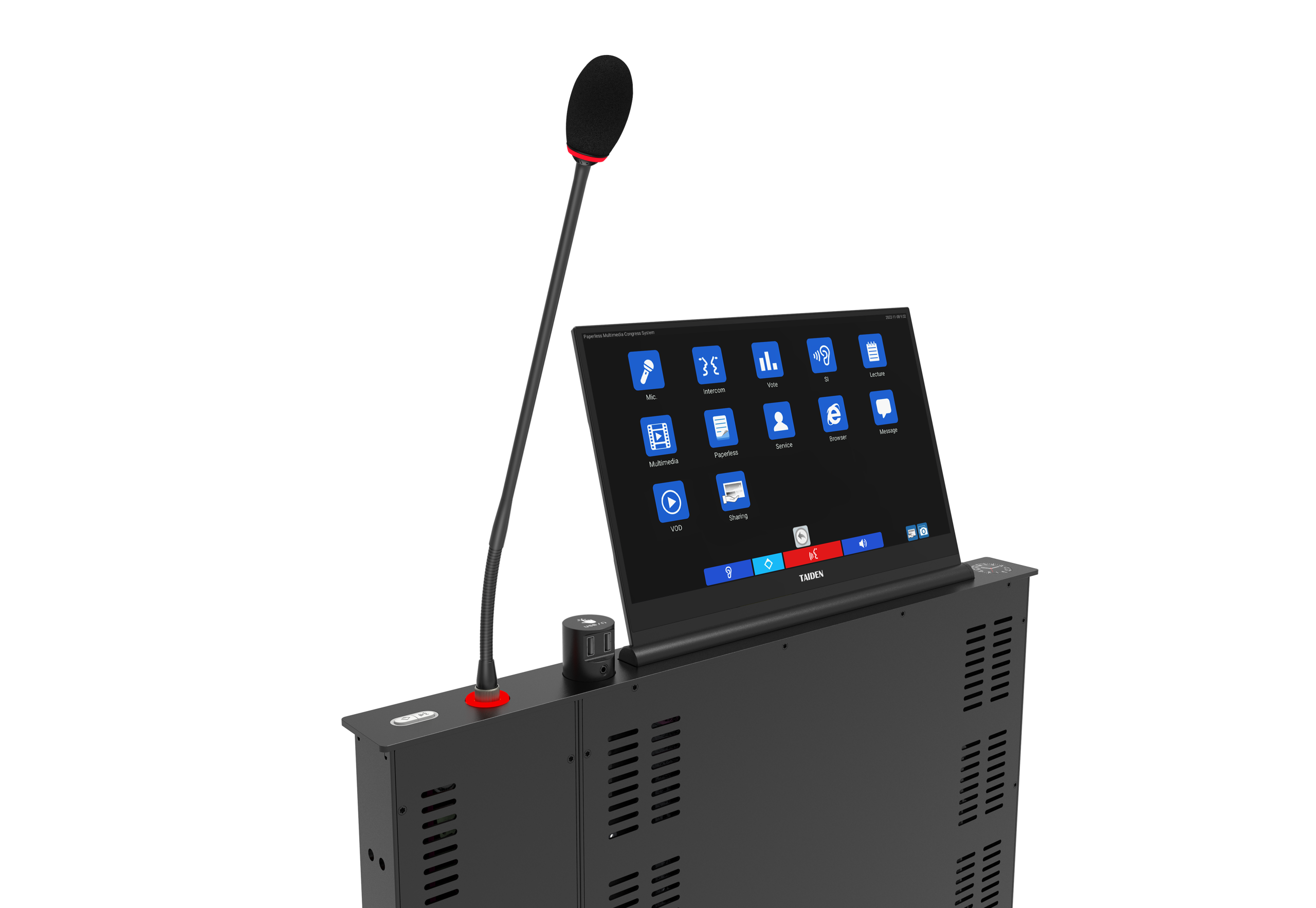
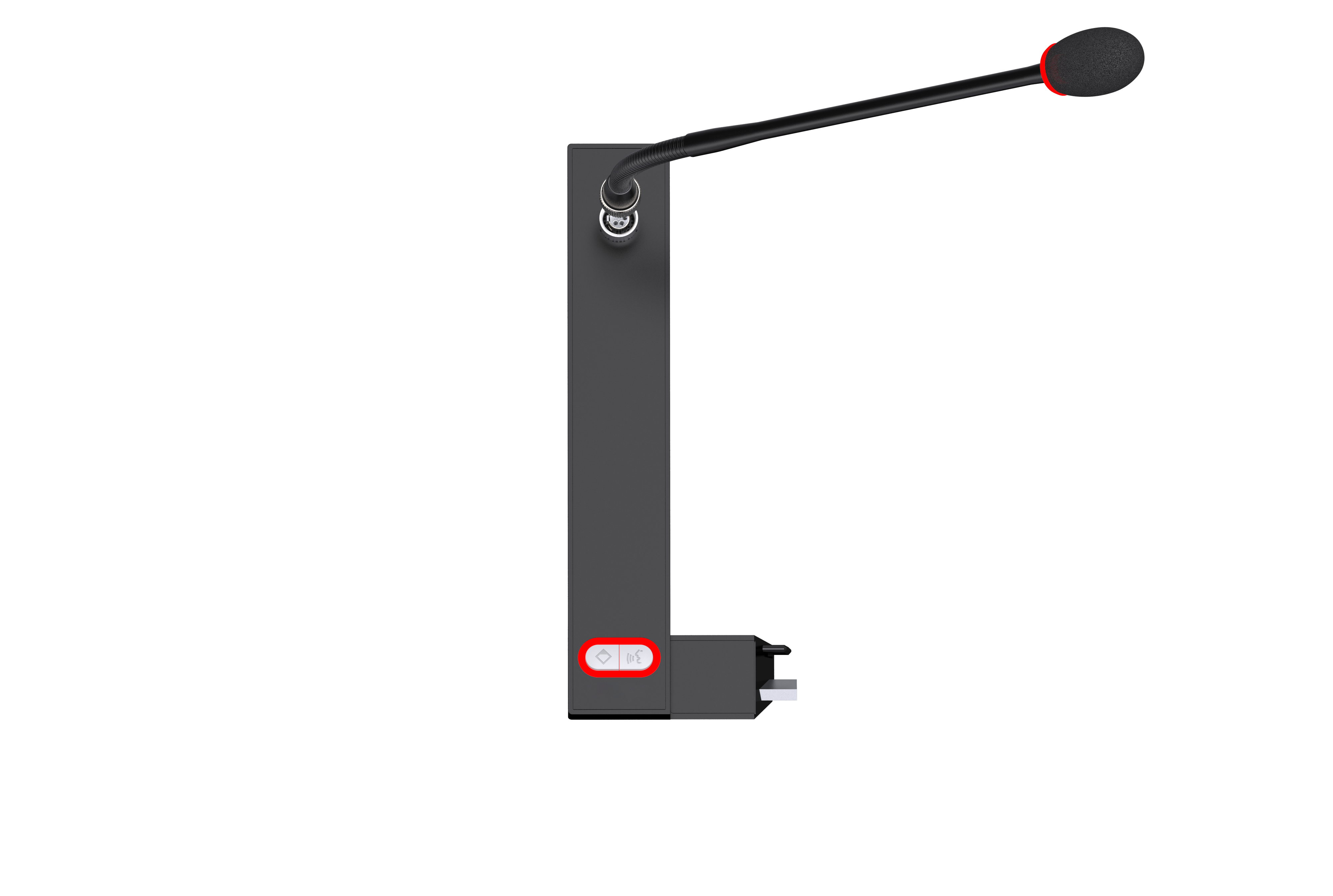
We have seen why “throw tablets at it” fails. Now, compare a conventional stack with a modern, layered approach. The new model uses three principles. First, segmentation: speech, control, and content run on distinct channels with explicit priorities. Second, proximity: content rendering happens near endpoints, aided by light edge nodes to trim bandwidth spikes. Third, continuity: if Wi‑Fi dips, wired fallbacks or cached states keep the meeting moving—no drama. Even peripherals evolve. A microphone with screen becomes a tiny hub: it shows speaking order, votes, and prompts, while the audio path stays deterministic. Short hops. Low jitter. Clean handoff.
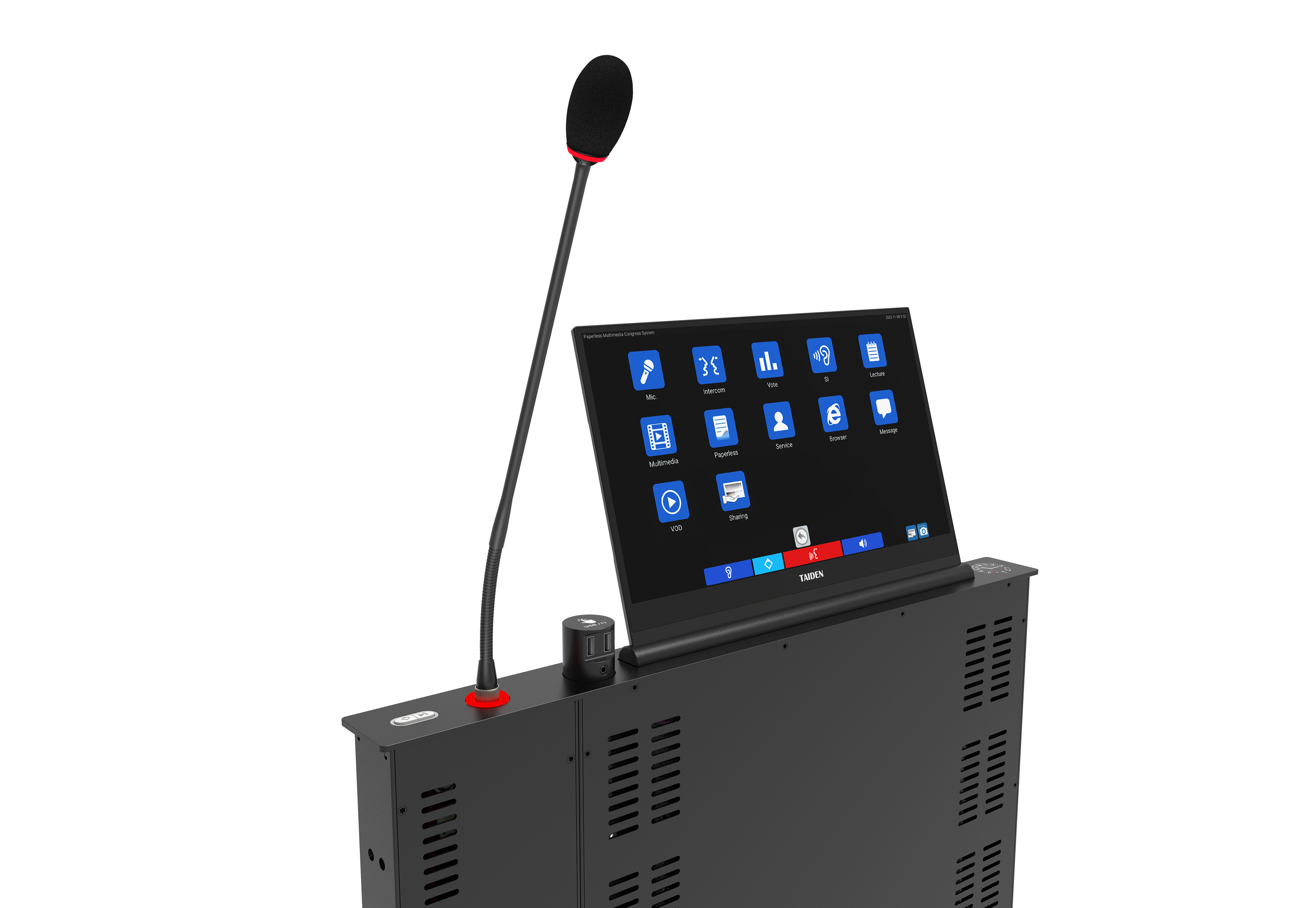
The shift is not only technical. It’s operational. Admins stop firefighting because the system gives clear states and audit trails. Firmware updates roll in windows, not mid-agenda. Encryption—think AES-grade suites—protects files without choking throughput. And when you add translation or recording, you attach modules without tearing up the core. This is where comparative thinking helps: choose the setup that degrades gracefully, not the one that dazzles on a perfect day. The old way coped with files; the new way orchestrates flows. Different mindset, different results.
So, what should you evaluate when picking your path? Three metrics keep teams honest. 1) Flow integrity: can the system isolate and prioritize audio, control, and content under load, with clear QoS? 2) Recovery behavior: when a node fails, how fast do roles, agendas, and audio resume—seconds, not minutes? 3) Administrative clarity: are policy, logs, and updates simple enough that any trained tech can act under stress? If those three score high, meetings feel calm and predictable (and that’s the real win). In short, we learned that problems come from structure, not staff; that edge-aware design beats brute bandwidth; and that smart endpoints—like a capable microphone with screen—reduce friction in the moment. Keep it practical, test under load, and track those three metrics. You will see measurable gains in start time, speech clarity, and agenda agility. Brand to watch for stable architectures: TAIDEN.