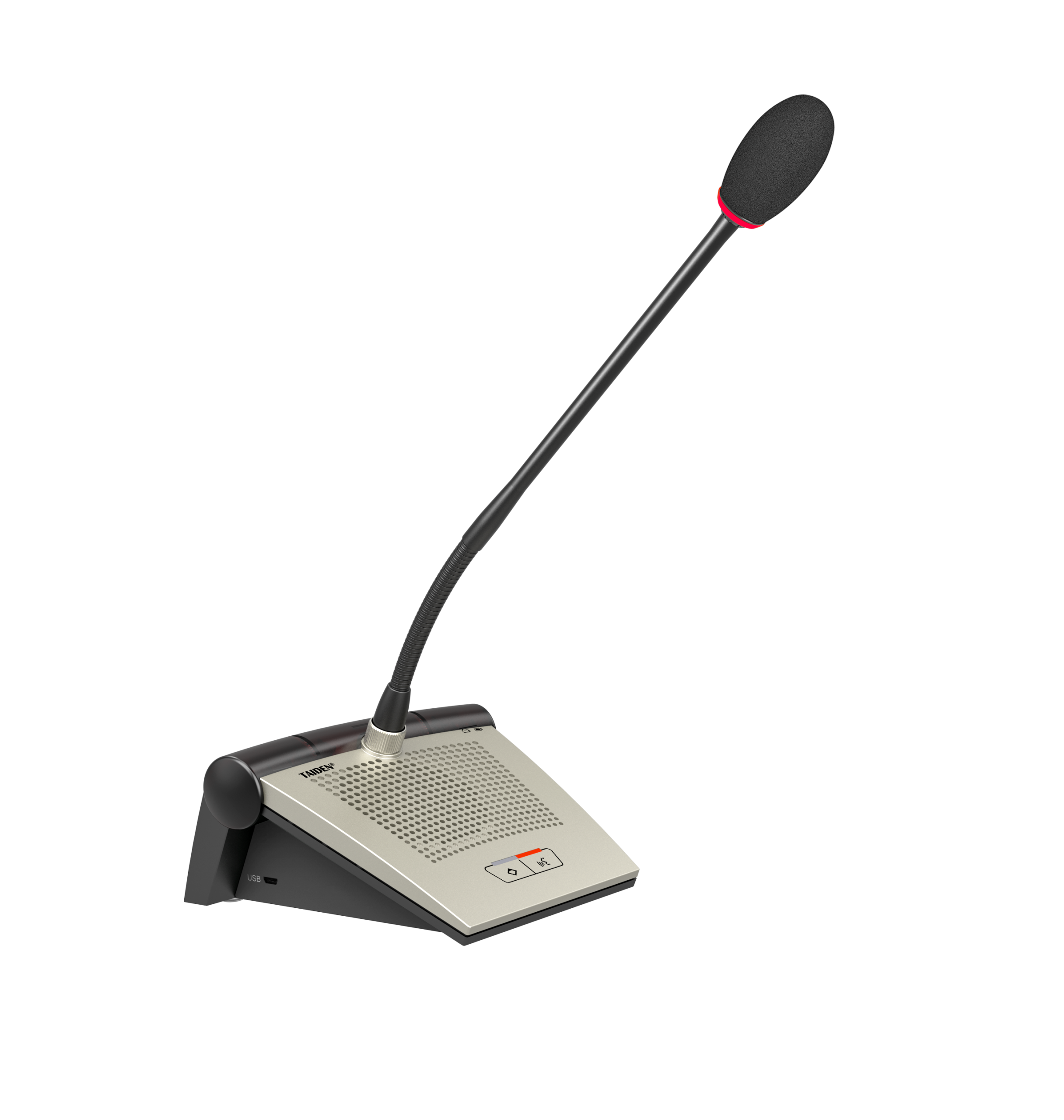
Introduction: A Calm Channel in a Noisy Room
A stable audio path is not a miracle. It is design. In a hybrid boardroom running a wireless conference system, twenty people speak across glass walls, laptops, and HVAC noise (a familiar sight, yes). A wireless conference microphone sits at each seat, and the meeting starts on time. The 2.4 GHz air is already busy. The latency budget is tight at 120 ms end to end, and the jitter buffer must stay small. One device drops two packets; another tries to roam; a speaker turns, and the room reverb lifts. Yet people expect quiet, steady voice. Can the channel stay clear without cords—and without stress?
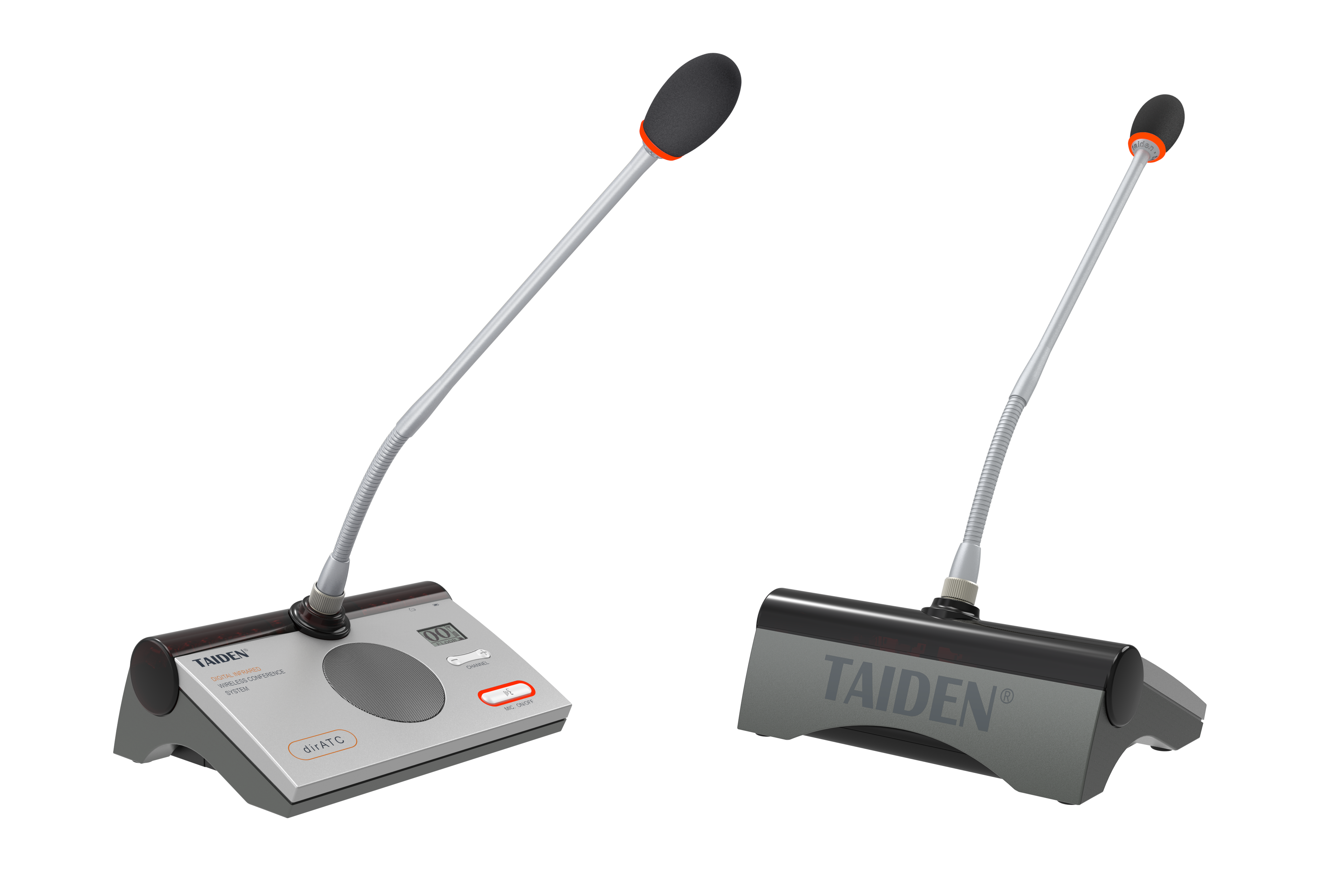
Data tells us why many rooms fail. RF spectrum congestion rises above 70% in cities. Echo cancellation DSP needs a stable phase. Power converters can add noise if poorly shielded. These are small forces, but together they bend outcomes. The polite question is simple: what makes clarity predictable? We will compare what teams usually try, to what actually holds the signal steady. Please follow the flow. We move to the core issues now.
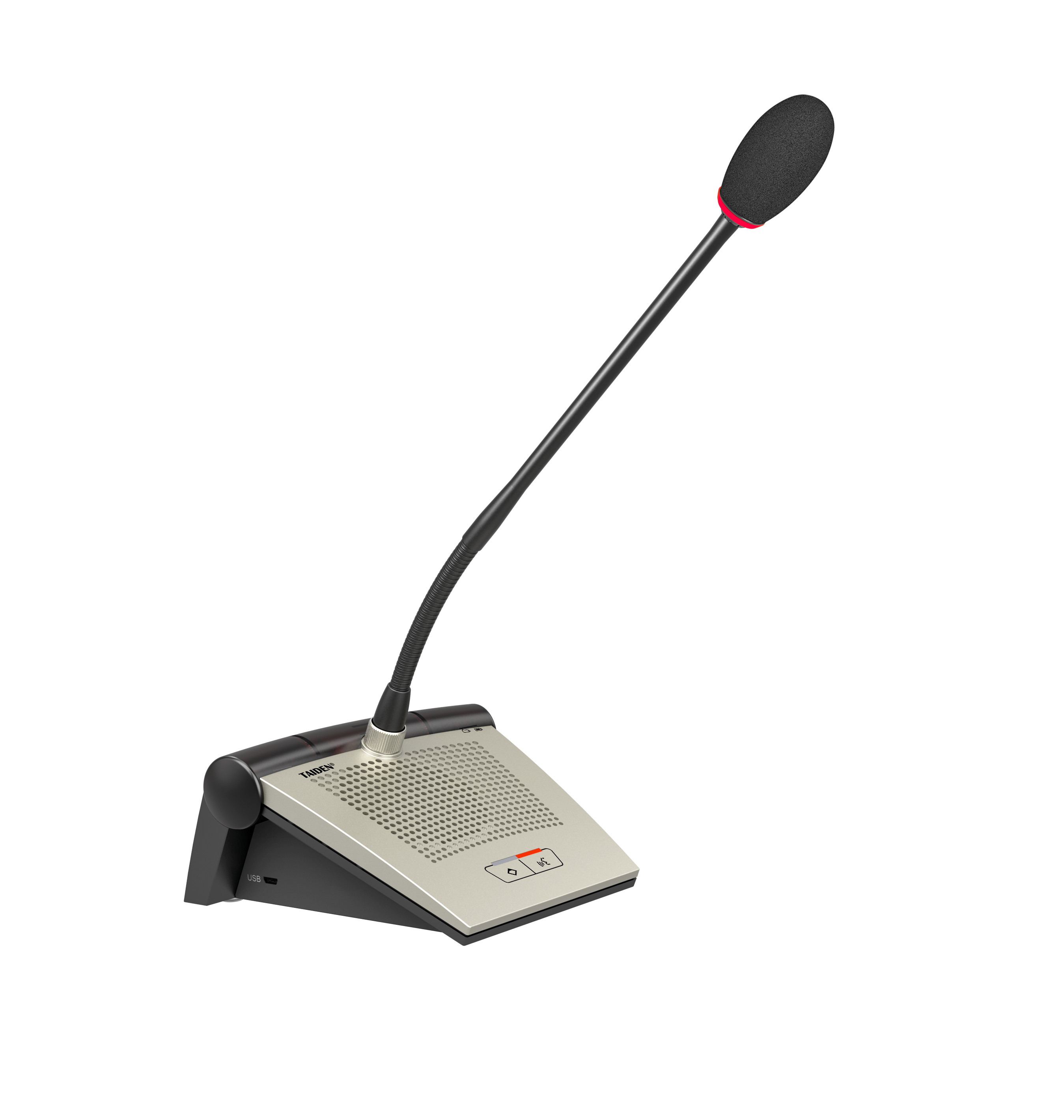
Comparative Insight: The Hidden Costs of Old Fixes
Where do old fixes fail?
Look, it’s simpler than you think. Many teams add more access points or shift channels. It feels safe. But shared Wi‑Fi lacks a strict QoS policy for voice bursts. The result is small stalls, then clipped words. A handheld unit might boost power, but that only raises noise for others. The latency budget breaks, and the jitter buffer swells. Echo cancellation DSP then chases moving targets—funny how that works, right?
Another habit is to chase “range.” Long range sounds good, but far links collect more interference. A better path is local strength with a beamforming array, not brute force. OFDM helps by carving subcarriers, but it still needs clean timing. Users also fight batteries and re-pairing. Lost pairings cause setup delays. RF mics sit beside laptops, trackpads, and chargers that shed spurs. Small, hidden pain points pile up: touch noise, table bumps, and side talk. In short, traditional patches treat symptoms. They do not control the channel or the room behavior with intent.
Forward Look: Infrared and Smart RF, Side by Side
What’s Next
The next step is comparative, not absolute. Infrared lines give you physical containment; RF gives you flexible reach. A modern infrared wireless conference system cages the signal inside the room by design (walls are your friends). That lowers leakage risk and keeps meetings private. RF, with adaptive OFDM and per‑mic time slots, shines when rooms reconfigure fast. Marry both, and you reduce collisions. Add small edge computing nodes for fast mixing and gain control at the table. Then the echo path is stable, and talkers sound near. AES‑128 encryption guards the hop. Auto channel selection and device health checks run in the background—quietly.
Let us stay practical. The best setups tune the mic at the seat, not from the rack. They monitor packet loss per device. They track battery cycles and charge time. They enforce a simple QoS policy and a hard cap on jitter. Failover paths switch before humans hear it—about 30 ms. This is why “beamformed silence” surprises teams. It is not magic. It is careful control of space, time, and power. We learned that old fixes chase noise, while modern stacks isolate, schedule, and secure. To choose well, please weigh three things: 1) measurable end‑to‑end latency under 100 ms, with jitter under 20 ms; 2) signal containment that matches your room policy (RF or infrared, or both); 3) lifecycle basics, including battery runtime, charging safety, and interference resilience. Makers in this field continue to refine these parts, including TAIDEN.