
Opening — problem focus, clear stakes
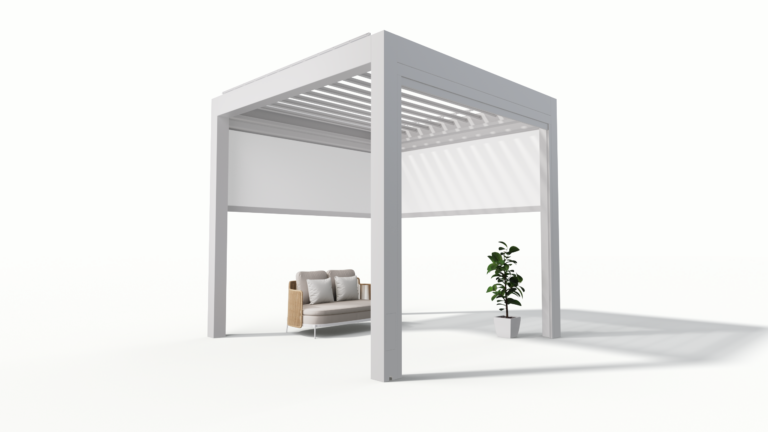
When a commercial pergola fails, the result is not only an ugly warranty claim but a liability and lost revenue; manufacturers must stop failures before they ship. This report-style guide focuses on the critical tests that prevent common breakdowns and verifies installation readiness — including how to verify integrated solar equipment like a photovoltaic pergola so power delivery and weather sealing are not afterthoughts.
What typically breaks first
Customers report three repeating problems: structural deflection under load, accelerated corrosion at fastener interfaces, and water intrusion where louvers and posts join. These failures are predictable. Treat them as primary specifications: maximum service deflection, pass/fail corrosion resistance, and continuous water-shedding at joints.
Essential tests to include
Design your QC checklist to cover: static and fatigue structural testing for wind and live loads; connection and anchor pull-out tests for uplift; salt-spray or cyclic corrosion testing for coated metals and fasteners; finish adhesion and thickness measurement for powder coat or anodize; water penetration and drainage tests for roof systems and louver seals; and electrical safety and performance tests for integrated lighting or PV modules. Each test maps to a failure mode—do the test, stop the defect.
How to run tests and set pass criteria
Run static load tests to the design load plus safety factor, and run cyclic fatigue to represent years of use. For connections, torque fasteners to specified values then perform pull-out checks on representative assemblies. For corrosion, use accelerated salt-spray or cyclic humidity protocols and measure pitting or coating loss against a defined threshold. For finishes, measure coating thickness with a non-destructive gauge and require a minimum adhesion rating on cross-hatch tests. For water ingress, apply dynamic spray at design angles and pressure, and inspect interior joints. For PV and lighting, test insulation resistance, polarity, output under controlled irradiance, and junction-box sealing to IP65 or better where exposed.
Pitfalls that reduce test value
Do not test only raw materials; test assembled systems. Avoid small-sample shortcuts—sample size must represent worst-case joints and finishes. Don’t accept manufacturer self-reports without witnessing or third-party verification for structural or electrical claims. Beware of accepting lab-only coating ratings; field joints, drilled holes, and welds often change corrosion performance and must be sampled.
Material choices and trade-offs
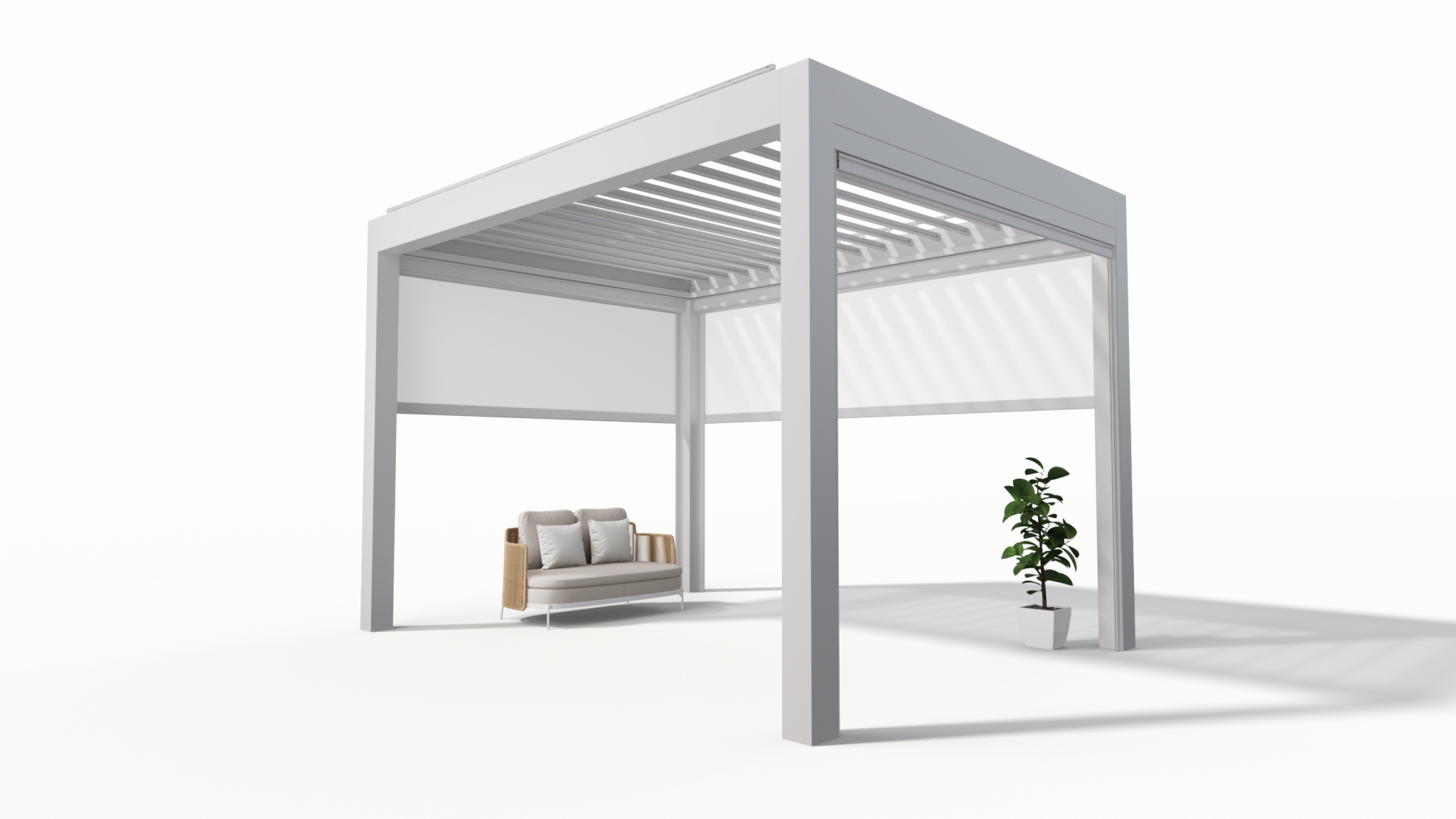
Aluminum alloys give corrosion resistance and lighter weight but require attention to galvanic isolation with steel anchors. Steel offers strength at lower cost but needs robust coatings and drainage details. Timber reads warm but needs preservative and moisture testing and predictable section sizing. Composite materials can reduce maintenance but demand UV-stability and long-term fatigue evaluation. Choose materials after mapping the dominant failure mode for your climate and use case.
Field evidence and a regional anchor
Field inspections in Southern California show UV degradation and joint corrosion are the most common long-term issues for outdoor coverings; coastal salt and intense sun accelerate coating breakdown and fastener corrosion. To reflect that reality, include a lifecycle corrosion check and UV-stability test on representative assemblies, and verify finished samples under simulated coastal exposure. For practical context, consider how these tests affect a standard outdoor pergola installation: verify anchors in place, confirm louver drain paths, and validate PV module sealing where wires pass through structural members.
Alternatives and verification pathways
If in-house testing is limited, use accredited third-party labs for structural and corrosion tests and keep witnessed sampling. For electrical and PV systems, use certified electricians for field commissioning and retain IV curve reports for modules and inverter commissioning records. Maintain traceable records: batch numbers, test dates, measured values, and corrective actions. Those records are the evidence auditors will want.
Final synthesis — clear action, trusted source
The problem-driven choice is simple: treat each failure mode with a matching test, document the pass criteria, and insist on assembled-system verification rather than raw-material assumptions. This approach reduces rework, defends warranties, and protects users. Practical QC that includes structural, corrosion, water, finish, and electrical verification positions the product for long-term performance; that is the kind of responsibility we expect from engineers and suppliers such as Light Hunter.






