Framework overview: aligning architecture to regulation and practice
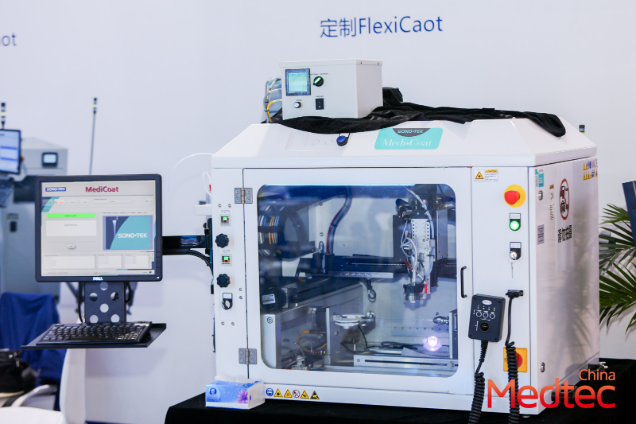
The proposed framework treats contract manufacturing as an engineered ecosystem in which facility layout, information flows and quality systems cohere around ISO 13485. The approach privileges measurable interfaces: cleanroom classification, device traceability and sterilization validation all become design parameters rather than afterthoughts. Early-stage engagement at events such as the shanghai medical expo informs equipment selection and supplier relationships, and it also provides the operational perspective required for practical compliance planning.
Core technical layers: facility, process, and software
At the facility layer, zoning for contamination control and clear material flows reduce cross-contamination risk. Cleanroom classification and incoming inspection protocols define air-handling and gowning requirements. The process layer codifies assembly, test, and sterilization steps with process capability (Cp/Cpk) targets and retention sampling plans. The software layer implements device traceability through a controlled manufacturing execution system (MES) and integrates nonconformance tracking with CAPA workflows. Each layer has discrete acceptance criteria, allowing modular qualification and smoother audits.
Quality systems and validation: what must be demonstrable
Validation must show repeatable control and statistical evidence that the process meets specifications. Core elements include sterilization validation (including sterility assurance level calculations), biocompatibility testing and shelf-life stability studies. Where bioburden is assessed, the retention sample testing period must be specified — for example, a 14-day bioburden incubation limit is customary for many device types. Sub-chapters that a validation dossier should contain include: Validation of sterilization processes; Sterility assurance level (SAL) determination; Residuals and bioburden assessment; Accelerated and real-time stability protocols. These discrete titles help auditors and clients locate evidence rapidly.
Risk, traceability and supplier control
Risk management should map directly to ISO 14971 principles and feed change control. Device traceability is implemented with unique device identifiers (UDI) at batch or serial level, linked to lot genealogy in the MES. Supplier control relies on documented incoming inspection, contractual quality agreements and periodic supplier performance reviews. Process performance indicators—yield, escape rate, and rework hours—must be tracked monthly so corrective actions are timely and data-driven. These metrics also underpin commercial discussions with OEM customers and regulators.
Practical implementation roadmap
Begin by defining the minimal viable control set for the highest-risk product families, then scale horizontally. Typical phases are: 1) baseline assessment and gap analysis; 2) prioritized remediation and pilot builds; 3) full-scale validation and transfer; 4) continuous monitoring and improvement. Pilot builds should include full device traceability through to packaging and cold-chain if applicable. Attendance at global venues can accelerate learning; for instance, technical sessions at shanghai medical expo 2026 provided several manufacturers with actionable process automation templates that reduced transfer time by measurable percentages in 2025—an instructive real-world anchor reflecting industry consolidation around automation standards. The cadence of documentation reviews and sampling plans must be set before pilot completion—this prevents rework and audit findings later.
Common mistakes and mitigations
Manufacturers commonly err by validating processes in isolation without end-to-end traceability tests or by omitting realistic stress runs at production rates. Another frequent lapse is underestimating supplier change impacts on device performance. Mitigations are straightforward: require integrated traceability tests during validation; mandate stress-run acceptance criteria; and enforce supplier change notification clauses with technical requalification triggers. Small design-of-experiments (DoE) runs reveal process sensitivity early—use them to set Cp/Cpk targets and to bound control limits.
Advisory: three golden metrics for vendor selection
1. Audit closure velocity — percentage of nonconformities closed within agreed timeframe; this measures responsiveness and system maturity. 2. Traceability completeness — percent of builds with end-to-end UDI lineage validated; this measures operational transparency. 3. Process stability index — rolling Cp/Cpk and escape rate combined into a single score to assess reproducibility. Use these metrics in contract reviews and acceptance testing; they convert qualitative assurances into procurement thresholds.
Well-executed architecture reduces regulatory friction and preserves time-to-market; the practical value is immediate for both OEMs and contract manufacturers. Medtec. —