Start here — what you really need
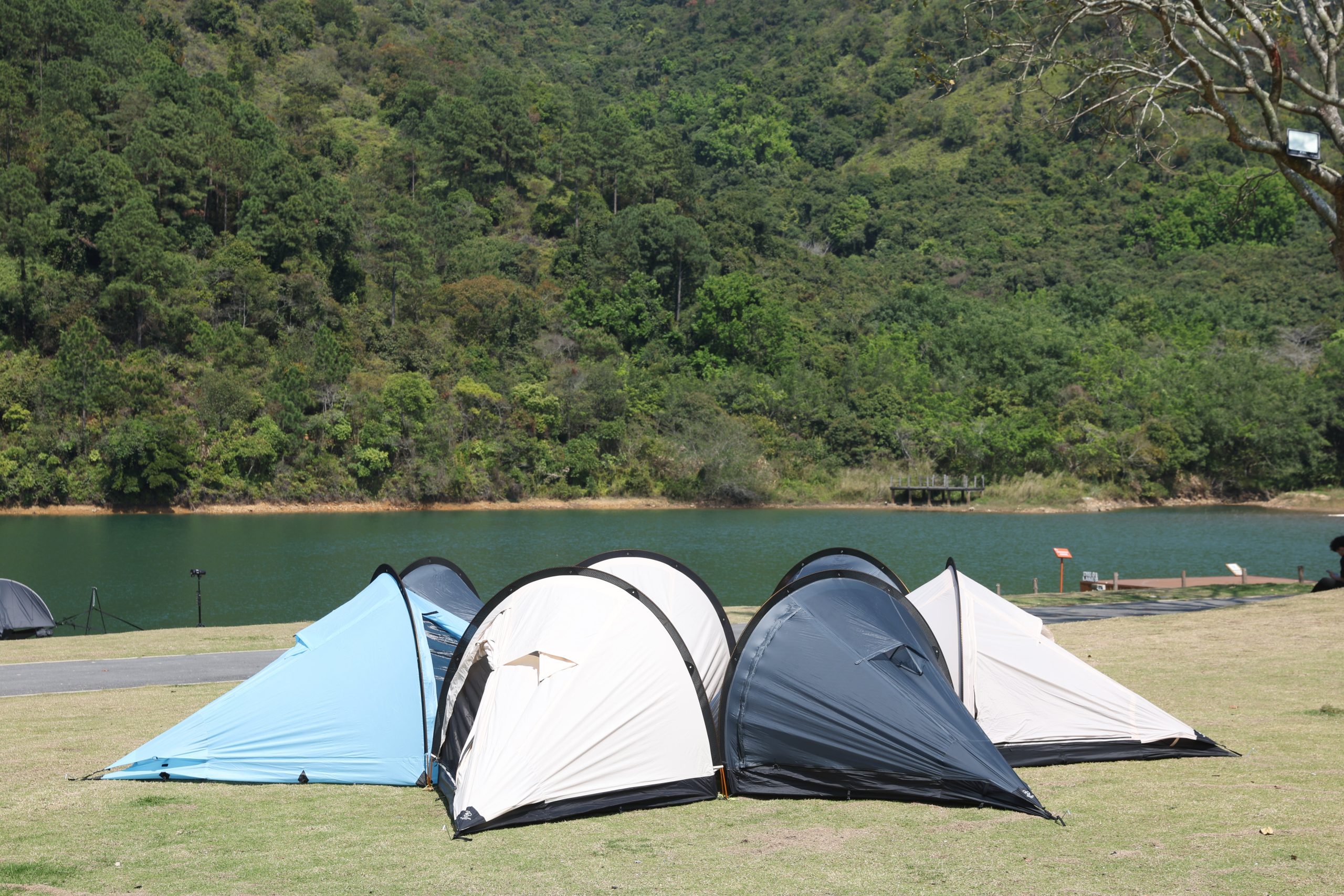
You want a simple, safe night by the car. Think like a user: quick setup, easy exit, low drama. Pick a lean setup and test it once at home. If you prefer a little living space, a tent with front porch gives a dry entry to stash boots and cooking kit without muddying the sleeping area.

Choose the right parking spot
Flat is non-negotiable. Find ground that drains — no hollows where water pools if rain comes. Stay off soft shoulders that can sink. Give yourself room: clear a 10–15 ft radius around the car for anchors, doors, and a safe exit route. Avoid overhangs: dead branches fall in storms.
Anchor points and car attachment basics
Use rated straps or webbing made for load-bearing. Loop straps through factory points or roof racks only; don’t hook to bumpers or trim. Keep anchor angles low — shallow angles reduce pull on attachment points. Use wind anchors or sandbags at tent corners. Test each anchor with a firm tug before sleeping.
Wind, weather, and shelter profile
Face the narrow end of the tent into prevailing wind. Lower the profile when gusts blow; remove loose awnings. If heavy weather is forecast, keep vents open a crack to reduce wind pressure differences that can rip seams. Snow: clear rooflines and pack for rapid melting; mid-winter car-tenting needs serious preparation.
Ventilation, condensation control, and comfort
Condensation kills comfort. Create cross-ventilation by leaving a small vent open opposite the door. Elevate mattresses off wet ground with pads. Use breathable fabrics where possible. Bring a small towel to mop morning dew; pack sleeping bags in dry sacks.

Wildlife, fire, and legal considerations
Store food in the car, not in the tent. Use bear-proof containers where required. Know local regulations about camping distance from trails, water, and private property. Keep a cleared, non-combustible area for stoves; never leave fires unattended. Respect signs and land managers’ rules.
Emergency plan and essential kit
Have a simple escape plan: driver only needs to start and move the car to clear site if sudden evacuation is needed. Keep keys and phone within reach. Pack a headlamp, an extra power bank, a compact first-aid kit, and a multi-tool. A spare tarp and repair tape solve most small failures fast.
Common mistakes users make
Over-tightening stakes during setup, fastening to non-structural trim, parking under sap-dripping trees, and assuming the car provides warmth without ventilation. Don’t ignore wind direction or water flow. Test your whole setup once before a long trip so you know where weak points live.
Quick comparisons and when to choose what
Car tent vs rooftop vs ground tent — each has trade-offs. Car tents give shelter and storage; rooftop tents save space and avoid wet ground; ground tents are ultralight and stealthy. For alpine-style fast trips where weight matters, I’ve guided weekend traverses in the Sierra Nevada and relied on minimalist shelters; the trade-off often leads people to an ultralight mountaineering tent for steep approaches, then switch to a car tent for base nights where comfort matters.
Wrap-up
Make choices that match the night you expect and the exit you need. Prioritize anchors, drainage, and ventilation. Test once, refine often, and keep the kit small but reliable; that’s the kind of practical solution THECATAL builds around — gear that respects real users and real nights outdoors.