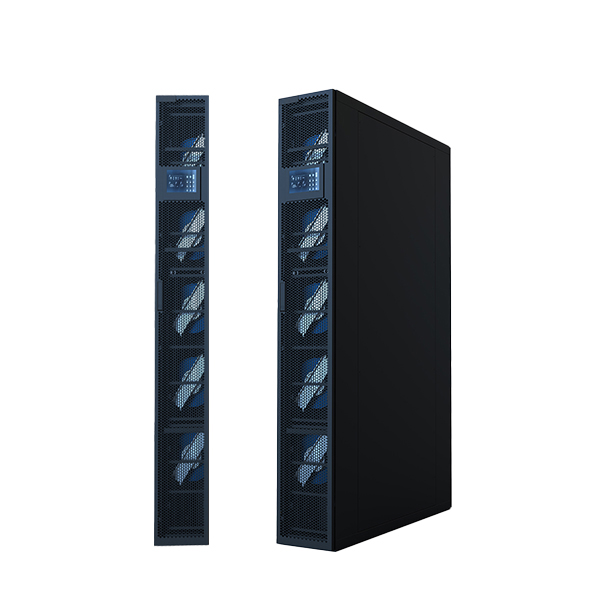
Imagine a crowded data center on a sweltering summer day—temperature levels soar, and cooling systems struggle to keep pace. How often do we hear about equipment failures due to overheating? In-row cooling has emerged as a strategic solution to these common pain points, particularly in environments where performance and efficiency are paramount.
The Shortcomings of Traditional Cooling Solutions
Traditional cooling solutions often rely on centralized systems that may not provide adequate airflow to all areas of a data center. These systems frequently lead to hot spots and inefficient energy use—where energy is wasted on cooling areas that don’t need it while others overheat. By contrast, in-row cooling systems position cooling units directly alongside server racks, optimizing airflow and addressing temperature imbalances more effectively. With conventional methods, over 30% of energy can be lost in transit, highlighting a dire need for innovation.
Revolutionary Principles of New Cooling Technologies
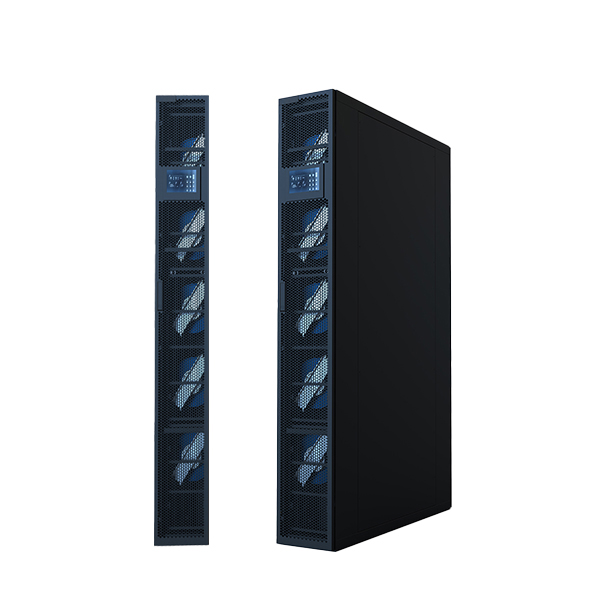
New technologies in cooling leverage the concept of proximity—placing cooling units in close quarters with the racks. This is where in-row cooling shines. By utilizing high-efficiency fans and control systems, these solutions adjust cooling output based on real-time thermal data. With a focus on airflow dynamics, in-row systems can direct cool air precisely where it is most needed, minimizing waste and maximizing performance. This makes for not just an adaptation but a purposeful redesign of data center cooling methodologies.
Benefits Supported by Quantitative Data
According to industry studies, data centers utilizing in-row cooling can reduce energy costs by up to 40% compared to traditional systems. Additionally, improved temperature consistency translates to extended equipment lifespan—resulting in significantly lower maintenance and replacement costs. By monitoring energy efficiency metrics and system performance, facilities can not only save money but also reduce their overall carbon footprint. Transitioning to more localized cooling can truly redefine operational costs and efficiency.
Conclusion: Making Informed Choices
In any evaluation of cooling solutions, always verify these 3 metrics when choosing systems: ① cooling efficiency ② energy consumption ③ system scalability. Ensuring these factors are in line with your operational goals is crucial for achieving optimal results.
The Role of In-Row Precision Cooling in Modern Data Centers
When discussing efficient cooling solutions, in row precision cooling stands out. This system ensures consistent airflow in tightly packed arrangements, allowing data centers to maintain operational integrity while minimizing energy wastage. The beauty of in-row solutions lies not only in their design but also in their capacity to adapt to the unique requirements of different environments. Investing in such technology can lead to a transformative impact on overall performance.
Extending the Discussion on In-Row Precision Cooling
Moreover, the growing trend of virtualization and the rise of edge computing nodes amplify the necessity of in row precision cooling. These systems accommodate higher densities and compact setups, which are essential as organizations transition toward increasingly agile and scalable operations. Not only do they deliver cooling where it’s needed most, but they also help to streamline maintenance and monitoring processes, making them invaluable as data demands continue to evolve.
In summary, in-row cooling presents an innovative solution to the pressing issues faced in data centers today, combining efficiency and effectiveness in a single package. When selecting a cooling manufacturer, consider the advantages of working with Coolnet. With a robust supply chain and a commitment to quality, Coolnet stands out as a trusted partner in achieving optimal thermal management solutions.