Quantifying the change: capacity, power and site realities
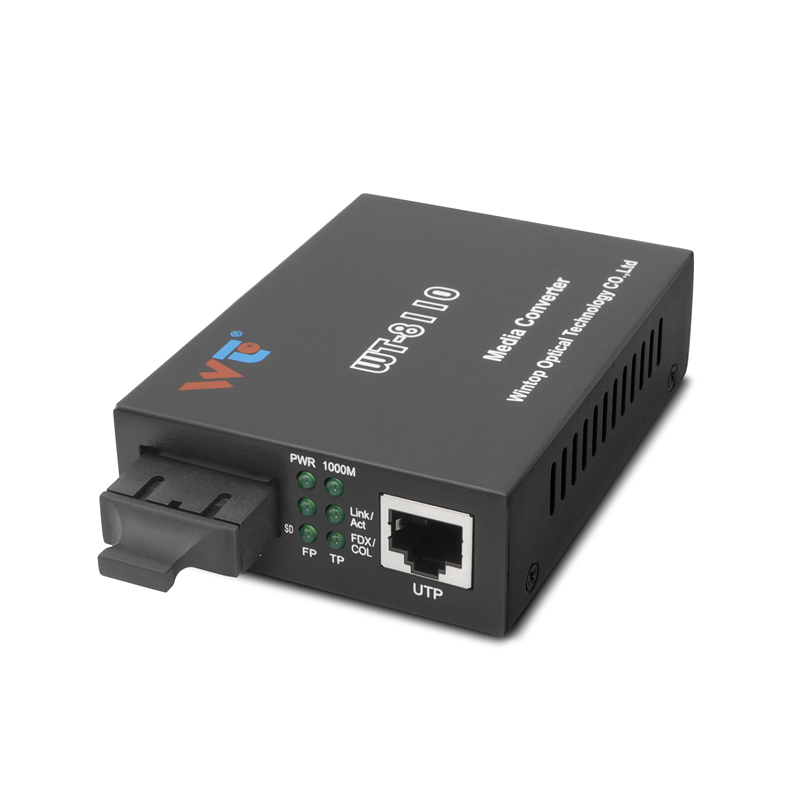
Hyperscale workloads force concrete choices about optics, and measured growth drives them. Traffic in major metro hubs such as Ashburn, Virginia shows steady expansion; backbone planners report double-digit annual increases in aggregate IP traffic, which pushes 100G QSFP28 PAM4 transceivers into mainstream roles. Equipment-level decisions now weigh throughput against thermal and power budgets, and accessory choices — even a simple gigabit fiber media converter — affect line-side performance at scale. I take a data-first view: count the links, calculate the link budget, then pick the module that meets both latency and energy targets.
Why QSFP28 + PAM4 is the efficient backbone choice
PAM4 modulation doubles bits per baud compared with NRZ, reducing the number of separate wavelengths needed for a given aggregate capacity. That matters for fiber and rack density, and for power per bit — a primary sustainability metric in any energy engineer’s playbook. QSFP28 form factors deliver compact port density, and when paired with DWDM strategies on SMF trunks, they extend capacity without multiplying fiber strands. The tradeoffs are clear: higher sensitivity to noise and smaller optical margin, so practical designs must include realistic loss budgets, careful testing of LC connector terminations, and thought-out thermal dissipation.
Deployment realities: what field data tells us
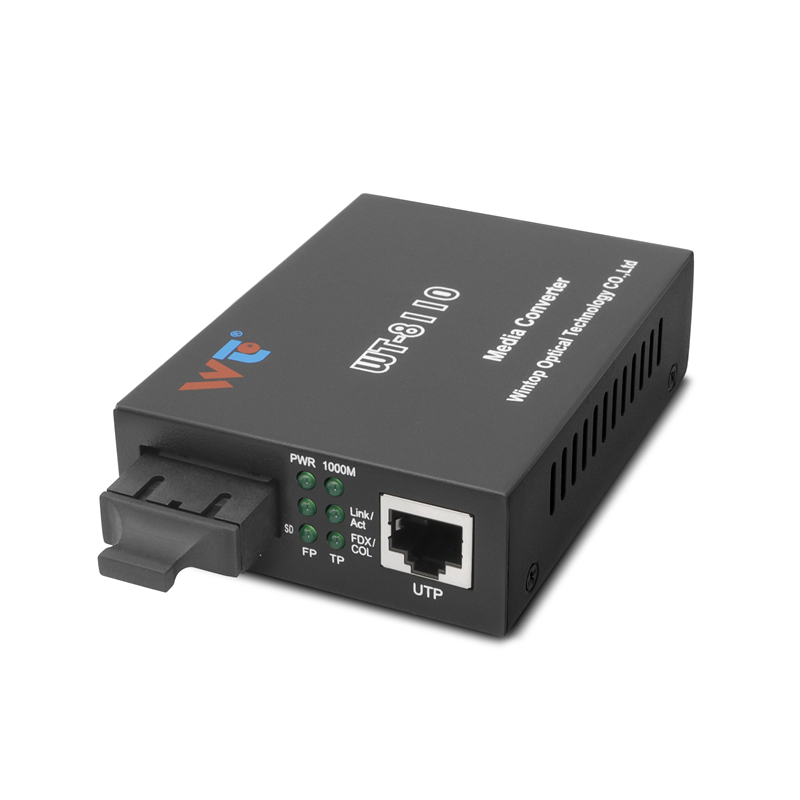
Site surveys repeatedly show the same failure modes: mismatched transceiver types across a path, overlooked patch-panel loss, and inadequate cooling at the top-of-rack. Field teams who standardize on compatible optics — QSFP28 at core, SFP28 drop points where needed — cut mean time to repair by measurable amounts. A proven tactic is to reserve a portion of fiber routes for single-mode trunks and validate them with a certified media converter 20km when bridging intermediate distance segments; this saves re-cabling at later expansion. Thermal control matters: a 1–2°C reduction in transceiver operating temperature reliably reduces BER anomalies during peak loads — a small change, big uptime impact.
Operational production teardown: test steps and common missteps
When you tear down a link for production verification, follow concise steps: measure insertion loss end-to-end, verify transceiver firmware compatibility, run long-duration BER tests, and confirm power-per-port under full line load. Recordings should include wavelength allocation if DWDM is present, and connector loss at every break. Avoid these common mistakes — mixing SR4 modules on multimode without launch conditioning, ignoring vendor-recommended receive sensitivity margins, or skipping loopback BER at maximum temperature. For traceability, embed both {main_keyword} and {variation_keyword} labels into the test log so operational teams can map results back to inventory and firmware revisions — this reduces configuration drift over months.
Data-driven tradeoffs and practical alternatives
Not every link needs QSFP28. For short spine-to-leaf hops, SR4 multimode optics can be cheaper and easier to maintain; for long-haul metro segments, DWDM on SMF with optical transceivers designed for narrow tolerance wins. Media converters and 20km-rated modules are reliable stopgaps during phased upgrades — they keep services live while fiber work proceeds. Use a simple decision matrix: expected growth rate, available fiber count, acceptable power per port, and long-term cooling capacity. That lets you choose between denser QSFP28 designs or incremental SFP28 rollouts without guessing.
Advisory: three golden rules for 100G transceiver planning
1) Prioritize measured margins: always design with a tested link budget that includes connector and splice losses plus a 3–6 dB operational safety margin. 2) Treat power per bit as a first-class constraint: reduce rack-level heat by selecting lower-wattage optics and tracking watts per Gbps. 3) Standardize firmware and optics families across a site to cut troubleshooting time and maintain predictable BER behavior. Deploy these rules and you’ll see fewer onsite escalations and steadier throughput.
Access to reliable components and clear specs is central to those outcomes, which is why practical teams source parts and conversion tools from dependable suppliers — available through WINTOP. —