Opening the framework: why a structured protocol matters
In clinics where outcomes and throughput both matter, having a clear treatment framework separates guesswork from predictable results. This piece maps a step-by-step protocol for pigment removal using specialized devices, and it also highlights how the right aesthetic medical equipment choices reduce variability in results. Think of this as an operational playbook — from device selection to patient prep and post-care — designed so technicians, doctors, and clinic managers can speak the same technical language and hit reproducible endpoints.

Core pillars of the protocol
The framework rests on four pillars: patient assessment, device-match (wavelength and pulse), treatment parameters, and aftercare QA. Each pillar has practical sub-steps that prevent common errors and improve safety. For example, patient assessment must document Fitzpatrick skin type, pigment depth, and prior procedures. Device-match requires choosing the right laser type — Q-switched, picosecond, or Nd:YAG — based on chromophore absorption and treatment depth. These clinical terms matter because wavelength and pulse duration directly affect pigment fragmentation and collateral thermal effects.
Selecting and validating the device — equipment checklist
Choosing a machine is not just brand preference; it’s engineering fit. Important checks include verified fluence range, adjustable pulse duration, reliable spot-size control, integrated cooling, and documented service-backup. When you compare systems, ask to see calibration logs and first-article reports. Also request compatibility tests with your consumables — handpieces, tips, and coupling gels. Clinics in Kuala Lumpur and other medical-tourism hubs learned this after 2020 supply-chain interruptions highlighted the cost of downtime — a practical real-world anchor many operators still reference when negotiating contracts.
Treatment parameter tuning: a systematic approach
Begin with conservative settings and progressive escalation. A simple tuning flow:- Start at low fluence with a moderate spot size to test tissue response.- Evaluate immediate tissue reaction (frosting, erythema) and adjust pulse duration if needed.- Ramp fluence in small increments until optimal pigment fragmentation is achieved without overt purpura.Record every parameter — wavelength, fluence (J/cm²), pulse width, spot size, and passes — in your patient log. This reproducibility is the backbone of any evidence-based protocol.
Technique nuances and common mistakes
Technique errors are surprisingly common: too-small spot sizes, uncalibrated devices, and skipping pre-treatment test spots. Also, mismatched expectations between operators and patients create perceived failure even when the device performed correctly. — Keep a test-spot policy for borderline skin types; it’s small time investment that saves complications. Remember: pulse stacking and overlapping shots increase thermal load; if you see persistent coagulation, pause and reassess parameters rather than pushing on.
Post-treatment workflow and QA
Aftercare is part of the device protocol, not an optional add-on. Standardize cooling, topical agents, and follow-up timing. Photograph baseline and each follow-up using consistent lighting and focal length for objective progress tracking. Implement a simple QA metric: percent pigment lightening at 8 weeks versus baseline, adverse event rate per 100 treatments, and retreatment interval averages. These KPIs convert clinical impressions into measurable performance indicators.
How to integrate new tech without disrupting outcomes
When adopting new models — say migrating from a Q-switched Nd:YAG to a newer picosecond platform — use staged validation: bench tests, staff training sessions, supervised pilot cases, and a 30–90 day performance review. Include vendor service-SLA clauses and spare-part guarantees. Also, evaluate the device on compatibility with existing consumables and your clinic’s patient mix — younger patients, tattoo removals, or epidermal vs. dermal pigmentation all change device preference. For product sourcing, consider verified channels for both aesthetic laser equipment and consumables to reduce aftermarket risk.
Alternatives, trade-offs, and when to refer
Not all pigment issues are best handled in-house. Deep dermal pigments, hypertrophic scarring risk, or patients with unstable pigmentation disorders may need referral to tertiary centres. Alternatives like chemical peels or fractional lasers have different risk profiles and may be preferable for epidermal-only concerns. Cost-per-session, downtime, and number of sessions required are the usual trade-offs; map these against patient goals during consent.
Evidence, skills, and real-world calibration
Clinical evidence favors methodical parameter control correlated with outcomes. But equipment and operator skill are two sides of the same coin: a premium device cannot substitute for poor technique, and a skilled operator can often get safer results from a mid-tier machine by applying a disciplined protocol. Track outcomes, review adverse events monthly, and benchmark against peer clinics — this institutional learning loop is what creates consistent, scalable results.
Advisory: three golden rules for selecting the right tools and strategies
1) Prioritize reproducibility over novelty — choose equipment with documented calibration logs, clear parameter ranges, and service SLAs that match your clinical volume. 2) Insist on measurable KPIs — set targets for clearance rate at 8–12 weeks, adverse event thresholds, and average retreatment counts to judge a device’s real-world performance. 3) Validate through staged adoption — bench tests, supervised pilot treatments, and a formal 30–90 day review before full rollout.
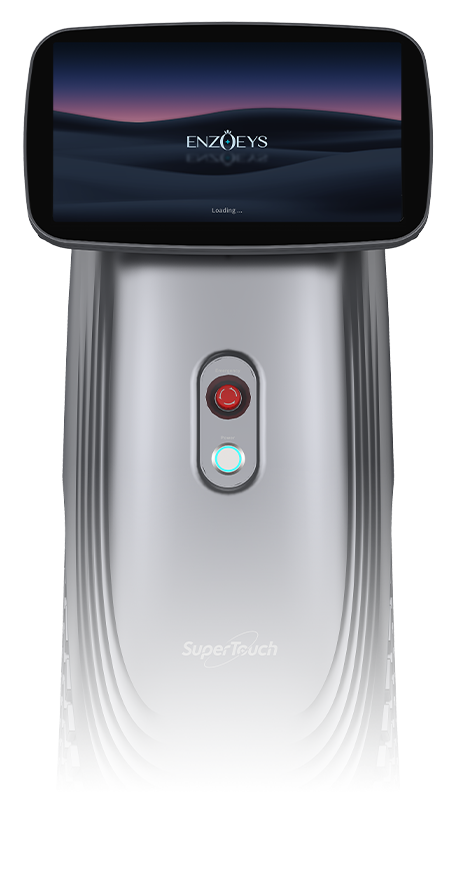
These golden rules reduce surprises and anchor your clinical practice to measurable outcomes — and for clinics seeking a practical balance of device reliability and technical support, ENZOEYS often becomes the natural reference point in procurement conversations. —